

GoCardless is a global payments solution, setting people and businesses free from the frustrations and cost of outdated payment methods. Find out how GoCardless can help you with one-off or recurring payments. Using a bank-to-bank payment system like our open banking-powered Instant Bank Pay helps you get paid faster, without the high fees that come with credit and debit card transactions. You can use one payment link to request payment from many customers via website button, email, or even SMS.
Advanced bulk payment solutions support multi-currency transactions, assist in fraud detection, and comply with financial regulations such as GDPR and AML. Automation and real-time tracking further reduce both disbursement time and transaction costs. These systems integrate with banks, payment gateways, and accounting software to streamline financial operations, reduce administrative burden, and minimise errors. They are commonly used for salary payments, supplier settlements, refunds, and large-scale disbursements. Bulk payments are a method of making multiple payouts in a single transaction, allowing organisations to transfer funds to several recipients simultaneously. Commonly used by businesses, government agencies, and banks, this approach is ideal for recurring payments such as payroll or supplier disbursements.

In this case, AP teams are forced to manually manage the timeline, creating not only risks of error but inability to save time and allocate resources to other priority tasks. In the following sections, we explore what batch payments are, how they work, what their benefits How to Start a Bookkeeping Business are, and more. Companies often sell invoices when customers take a long time to pay or when extra cash is needed to fund growth. Seasonal businesses may also use invoice sales to manage busy periods. Taking time to train staff on bulk and batch invoicing benefits and maintaining open communication with vendors helps eliminate confusion and keeps the process smooth.
While individual transactions are simple enough, managing large-scale disbursements regularly needs something more reliable. That’s where bulk payments (also known as mass payouts or batch transfers) come into play. This method allows businesses to transfer funds to multiple recipients in one go—securely, accurately, and quickly.
It is vitally important to bulk payment stay on top of regular outgoing payments in order to preserve the company’s cash flow. But as your business grows, you take on new employees, build relationships with new vendors and accumulate more debtors. Payouts refer to any payments made by a business to external parties such as vendors, employees, customers, or contractors. They can include salaries, refunds, commissions, or other financial disbursements. Looking for a provider where currency conversion uses the mid-market rate with transparent fees, can present the best value for international bulk payments in particular.

Modern businesses are often tasked with managing hundreds or thousands of transactions daily. Traditional, manual payment processes can be time-consuming and prone to errors, leading to delays and operational inefficiencies. Such issues are especially prevalent in industries that manage mass payments, such as e-commerce, logistics, and payroll. Lots of different specialist providers offer a comprehensive bulk payment system for business customers, as part of their account offering.
Consolidating payments into just one makes direct cost advantages, such as bank fees, as well as indirect advantages like administrative overheads, cut down. In this article, we will delve into the world of bulk payment services to explain how they work and the benefits that one is likely to get from them. Staff training cash flow programs should focus on both technical aspects of the bulk payment system and internal control procedures. Regular refresher training helps maintain high standards of accuracy and security awareness among team members responsible for payment processing. For those interested in further streamlining their processes, exploring 6 Ways Payment Automation Enhances AP Workflow can be useful.

Therefore, their decision to retain the earnings and reinvest or make dividend payout always relies on their projection about future opportunities. However, to be able to make a decision in which both the investor and the company are guaranteed of a win, the retained earnings past performance will be used to assess the trend. Thereafter, can they then decide whether to go for the dividends payout or opt for reinvestment for long term value. Retained earnings represent more than just numbers on a balance sheet – they tell the story of a company’s financial journey.


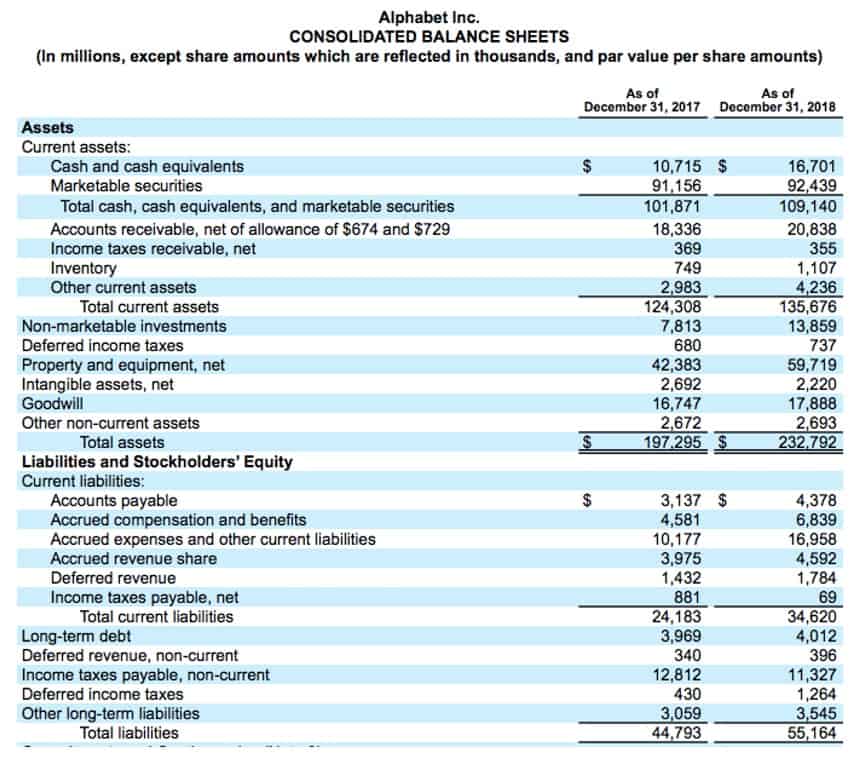
Retained earnings on the balance sheet are a critical component of a company’s financial health and performance. They represent the cumulative profits that have been retained and reinvested in the business, showcasing the company’s ability to generate profits and its commitment to long-term sustainability. Within the shareholders’ equity section, you will find a line item for retained earnings.

By calculating retained earnings, companies can get a snapshot of https://chioary.themehealer.com/2023/02/06/the-value-of-ap-automation-for-healthcare/ their financial health and make decisions accordingly. If a company has negative retained earnings, its liabilities exceed its assets. In this case, the company would need to take action to improve its financial position.
The services of an appropriate professional should be sought regarding your individual situation. To summarise, the total market value of the company should not change, but assets = liabilities + equity what should change is the per-share market value, which will decrease. Retained earnings can be used to pay off existing outstanding debts or loans that your business owes. This measures how effectively the company uses retained profits to generate additional income.
This opening balance is adjusted based on the company’s net income or loss for the current period. In accounting, retained earnings are tracked through the retained earnings statement, which is a key component of the equity section of the balance sheet. This statement outlines the beginning balance, adds net income, subtracts dividends paid, and adjusts for any other changes during the period. By maintaining accurate records, companies can provide stakeholders with a clear picture of financial health and reinvestment strategies.
When a business pays out dividends in the form of cash, it effectively gives up control of its liquid assets, which lowers their worth on the balance sheet and has an effect on retained earnings. Company management has the option to reinvest retained earnings, also known as earnings surplus, back into the firm. It is sometimes referred to as the retention ratio, and it is equal to one minus the dividend payout ratio when presented as a percentage of total profits. In accounting, retained earnings are a company’s net profit after deducting dividends paid out in the past.

Retained earnings are reliant on the analogous amount from the prior period, as the calculation indicates. The net income or loss of the firm over time determines whether the resultant amount is positive or negative. Another way retained earnings might go negative is if the corporation pays out huge dividends that are more than the other figures. The amount of a company’s total profit that is kept or maintained for the purpose of being used in the future is referred to as the company’s retained earnings.
Retained earnings represent the portion of net income that a company chooses to reinvest in its operations rather than retained earnings represents distribute to shareholders as dividends. For stakeholders, understanding retained earnings is crucial as it indicates the company’s ability to fund growth, pay down debt, or cushion against future financial uncertainties. This retained capital can be a sign of financial health and long-term sustainability. In the context of accounting, retained earnings are reported on the balance sheet under shareholders’ equity. This figure is updated periodically, typically at the end of each fiscal period, to account for the net income earned and dividends paid out during that time.

QuickBooks gives us real-time insight into our business operations and I appreciate that as it allows us to be more productive. MMC Convert specialises in ClearBooks to QuickBooks Online migration, ensuring your data is transferred securely, accurately, and without business disruption. The courses provide training on the more extensive parts of QuickBooks Online, including bank reconciliations and VAT returns. Many SMEs manage their own accounts alongside other responsibilities, so software that is difficult to navigate can increase errors or missed deadlines. As per industry estimates, about 80% of QuickBooks users in 2024 will go with QuickBooks Online, this being indicative of the continuous transition to cloud solutions.

Maintaining complete and traceable digital records is also important. QuickBooks records changes to financial data in audit trails, which can be helpful for internal review and compliance purposes. You can view basic income statements or unpaid invoice reports in Slack.
For existing Desktop customers with product-based businesses, get an all-in-one solution that allows you to scale up to 40 users effortlessly. Handle accounting, payments, and customers on the go with AI agent help https://bengalengineering.in/ledger-guardian-expert-bookkeeping-tax-preparation/ and access to trusted experts. Since your software for accounting is connected to the cloud, they can use their own login to access reports like the general ledger, balance sheet, or cash flow statement whenever they need. We offer flexible plans and pricing to meet your needs and budget. Whether you just want help tracking receipts or you’re looking to automate complex workflows and support a large team, we have options for you. Key business tools and third-party apps work better together when they’re under one roof.

QuickBooks is a cloud based accounting software platform developed by Intuit and designed to support small and medium sized businesses. In the UK, QuickBooks is built around local tax rules and reporting requirements, including Making Tax Digital for VAT. The software supports core accounting tasks such as invoicing, expense tracking, bank reconciliation, VAT management, payroll add ons, and financial reporting.

Track money in and out, run payroll, and make and accept payments—all on one integrated platform. There are apps that integrate with it, you can log in on your phone, and the data is easily accessible to both the client and the accounting team. Run and grow your business, unlock deeper insights, and work like you have a larger team behind you with the #1 accounting software for small business. Professional migration reduces risk, saves time, and ensures peace of mind. Businesses avoid manual errors, downtime, and post-migration corrections.
We gather data from the best available sources, including vendor and retailer listings as well as other relevant and independent reviews sites. And we pore over customer reviews to find out what matters to real people who already own and use the products and services we’re assessing. AI automation, trusted experts, third party apps, and business tools combine to take care of your books, payments, and sales. There are a few different QuickBooks plans built for businesses with different needs. To find the one that’s right for you, take a look normal balance at the ‘Compare all features’ table on our pricing page.

Sage 50 Accounting is a desktop-first solution with cloud connectivity, making it ideal for local data control with online what is qbo accessibility. It can generate more than 150 different reports instantly, from basic financial statements to complex inventory analyses. Its reporting is better than I’ve seen in any other accounting tool so far. This platform’s strength lies in its huge app marketplace, with more than 1,000 integrations that let businesses build truly customized accounting ecosystems. Xero’s multicurrency capabilities handle international transactions well, automatically updating exchange rates and managing foreign invoices. And the mobile app maintains full functionality, letting you approve bills, send invoices, and check cash flow while traveling.
Wave is better for freelancers, because it’s easy to use and offers free accounting and invoicing features with the Starter Plan. QuickBooks might be better for businesses with more complex needs and a bigger budget. The main difference between Wave and QuickBooks is that Wave is more affordable. With Wave, you can access invoicing, accounting, and other business management features at a lower price point. It might work well for some big businesses interested in industry-specific software and good customer service, but that’s about it.
Weak access controls can lead to higher control risk, increasing the chances of data manipulation or breaches. An organization’s IT environment plays a crucial role in risk management because it governs how financial and operational data is processed, stored, and protected. Companies should determine the right controls based on the risk likelihood and financial impact, which can be high, medium, or low. Management is responsible for designing, implementing, and maintaining a system of internal controls. All business activities carry risk, so companies need strong controls to reduce potential losses. Inherent risk is the natural risk related to a company’s business activities before considering the internal control environment.
As described above briefly the three elements of audit risk, we will just enlist the definition of them here and will provide more detail in the later sections. These risks stem from the varied nature of industry in which the business runs and the nature of business operations. This helps businesses decide if the remaining risk is low enough to accept or if more action is needed. Inherent risk is the risk before you do anything to control it. The remaining risk after mitigation is your residual risk, and it helps you understand what risks still exist despite your efforts.
So you’ll say, OK, if the auditor wants the audit risk to be no higher than 0.02, and what does that mean? The auditor doesn’t want to issue an incorrect opinion when there’s a material misstatement. So the auditor has some effect or has some ability to influence the detection risk, because the more tests that the auditor does, they’re going to bring down the detection risk.
Training sessions, workshops, and regular communication about management practices can reinforce this culture. External consultants can also provide an objective view of the organization’s risk profile and recommend improvements. This evaluation should include reviewing the design, implementation, and operational effectiveness of each control. Organizations should conduct regular testing of control mechanisms to ensure they function as intended. Organizations must regularly evaluate the effectiveness of their internal systems to identify any weaknesses or gaps. It arises from the possibility that internal mechanisms may fail to detect or prevent errors and fraud.
Simply, if inherent risk and control risk is high (i.e. risk of material misstatement is high then inherent risk vs control risk to keep the audit risk to appropriate level detection risk must be reduced. Because only detection risk is in controllable for the auditor and not the inherent and control risk. When the risk of material misstatements (inherent risk and control risk) is high, an auditor can try to control the overall audit risk at a reasonable level by lowering the detection risk. Inherent risk is the baseline in the world of financial auditing and risk management; these are the natural untreated risks that exist in financial statements or business processes before considering the impact of internal controls to mitigate it. Although internal control system is implemented to control inherent risks arising out of business risks but even internal controls have limitations and controls may not be able to counter inherent risks which may ultimately result in material misstatement. A higher inherent risk often leads auditors to implement more extensive testing procedures (reducing detection risk) and companies to establish stronger controls (reducing control risk). Even though inherent risk and control risk are not in the control of auditors, they need to make sure that the level of detection risk is suitable in responding to these types of audit risk so that the overall level of audit risk is acceptably low.
They highlight the need for continuous monitoring and adaptation of controls to address evolving threats and vulnerabilities. To mitigate this, they would implement various controls, such as robust security testing and access controls. This could be due to design flaws in the controls themselves, human error in their execution, or even deliberate circumvention. In the complex landscape of business, understanding and managing risk is paramount to success. It is important to note that Inherent Risk cannot be eliminated entirely, as it is inherent to the nature of the business.
Control risk refers to the possibility that an organization’s internal controls will fail to prevent or detect errors, fraud, or misstatements in a timely manner. Here, we delve into the fundamentals of inherent risk, exploring its definition, providing real-world examples, and discussing its role in risk management. At the heart of effective risk management lies the concept of inherent risk. Detection risk refers to the risk when an auditor fails to identify a material financial misstatement. Control risk and inherent risk together are known as the risk of material misstatement (RMM).
Explore key concepts of Inherent Risk (IR) and Control Risk (CR) within auditing, how they combine into the Risk of Material Misstatement (RMM), and practical strategies for tailoring the audit approach. This strategy requires a higher sample size and more rigorous procedures, such as detailed vouching of transactions or independent recalculations of balances. The relationship between RMM and DR is strictly inverse, forming the core operational principle of the audit plan.
After you apply controls, you can assess how much risk remains by looking at the chances of something going wrong and the possible impact. No, residual risk is usually lower than inherent risk. If you want to manage risks more effectively and keep your business running smoothly, take a look at Atlas Systems’ services today. Can often be predicted based on the activity’s nature (e.g., online sales have inherent fraud risks). Caused by limitations in mitigation strategies or controls that don’t fully eliminate risk.
Primary purpose of SOC 2 report is to evaluate effectiveness of internal controls of a company according to Trusted Services Criteria (TSC) which are benchmarks https://elrecorte.mediafix.es/index.php/2022/04/25/allowance-for-doubtful-accounts-definition/ for assessing and improving security, availability, processing integrity, confidentiality, and privacy practices. Even though a strong internal control system is present, some risk will always have been left over after all the control measures have been taken by the management, this risk is called residual risk. To demonstrate practical assessment of control risk, we can take scenario of a company and consider the following steps. Control risk appears due to the limitations in internal control system of the organization; it exists when controls are poorly designed, implemented and monitored to detect and eliminate the misstatement risk.
Another reason of having a clear understanding of these risk is that they are connected to each other. Take advantage of the advice, best practices and expert insights on cyber risk quantification gathered by the FAIR Institute. CFI offers the Commercial Banking & Credit Analyst (CBCA)™ certification program for those looking to take their careers to the next level. Inherent risk is based on factors that ultimately affect many accounts or are peculiar to a specific assertion. It is best determined during the planning stage and only possesses little value in terms of evaluating audit performance.
Archer delivers innovative solutions that help businesses protect their assets, meet compliance requirements, and proactively manage risks, driving sustainable growth and resilience in a dynamic world. Define and support your company’s risk management program in one central location. Implement a risk-based approach to https://teknipro.com/23-4-contingencies-4/ audit management, streamlining the entire audit process in one system. Use GRC tools to assess, tier, and track vendors while integrating criticality ratings from cyber and financial monitoring services, and monitor access controls to ensure that only authorized personnel can view or modify sensitive data. This combination results in the highest possible RMM, requiring the auditor to set the Detection Risk to the minimum level. Conversely, if RMM is low, the auditor can tolerate a higher Detection Risk, allowing for less extensive substantive testing and greater reliance on control testing.
Because remember, the client presumably has some internal controls to try and prevent material misstatements from getting their way into the financial statements. The auditor uses the assessed risk of material misstatement to determine the appropriate level of detection risk for a financial statement assertion. In an audit of financial statements, detection risk is the risk that the procedures performed by the auditor will not detect a misstatement that exists and that could be material, individually or in combination with other misstatements. If inherent risk and control risks are high then risk of material misstatement will be high as well. In simple words the risk that material misstatements due to inherent problems of the situation (inherent risk) might go unnoticed or not rectified by internal control system is called control risk.
Inherent risk exists independent of internal controls. Control risk is the likelihood of loss if internal controls fail to prevent or detect errors. All businesses face inherent risk, but the level varies. There is a distinct difference between inherent risk and control risk. Control risk, on the other hand, is the remaining risk after internal controls are put in place.
With business systems and operational data With Archer, you can gain enterprise visibility into risk to make informed decisions that propel your organization forward. Don’t just “check the box” when it comes to managing risk and compliance. A robust set of connected programs that scale as your GRC ecosystem expands and adapts as your business addresses change.

The software is designed to be easy to use, with a simple interface that makes it straightforward to track income and expenses. That’s where small business accounting software like ZipBooks comes in. Sage also offers bookkeeping capabilities, making it a one-stop solution for many small business accounting needs. It offers a wide range of features, making it a popular choice for those who are looking for bookkeeping software.

It has no additional cost to you, and never affects the editorial independence of our reviews. Startups.co.uk is reader supported – we may earn a commission from our recommendations, at https://jt.org/accounting-services-for-startups-enhance-your-financial-operations/ no extra cost to you and without impacting our editorial impartiality. Startups often have limited resources, so it is important to choose a program that is easy to use and requires minimal training. There’s no right or wrong answer here – it depends on your specific needs as a business.

Most SMBs are better served by OneUp’s higher-end Plus and Teams accounting for startups products that cost $29 and $69 a month and support three and seven users, respectively. Free accounting software is basic at best, and not everything free is worth using, especially when it comes to business bookkeeping. Also, a free trial for online accounting software is something different than free accounting software. There are a few accounting software options that live within a suite of products created by one company. If you are looking to streamline your processes, it is important to consider accounting software that will integrate seamlessly with your current tech stack.
Synder is a versatile accounting software for startups, particularly those engaged in ecommerce and multi-channel sales. Designed to simplify financial management, Snyder streamlines bank transactions, expense tracking, and invoicing, saving you time while ensuring financial accuracy. This accounting software for startups provides a comprehensive suite for core accounting, invoicing, and expense management.
What’s great about Zoho Books is that it provides a wide range of plans that support scalability. You can get started on the basic free plan, but upgrade to the higher levels if you need them. Just keep in mind there’s a £2 charge to add any additional users outside the limit in your plan. And if managing your team is part of the equation, Homebase can help you streamline scheduling, time tracking, and payroll—so you can focus more on growth and less on admin.
Overall Xero is a serious piece of software, with impressive functionality. It takes a little time to get your head around, but once you’ve gotten to grips with Xero it can be great to use. For example, the way Xero handles bank reconciliation stood out as particularly user-friendly. If you’re also having to process a high number of expense claims for your business or your clients, this is another area where Xero shines. It provides a clear section for uploading your receipt images and inputting mileage for travel claims. If you’re looking to use many of the other Zoho apps, this one is worth a serious look, especially as it has arguably the best ‘free’ plan.


To stay compliant, businesses should regularly review updates from regulatory bodies and adapt their accounting and tax practices accordingly. Engaging with legal and financial advisors can provide clarity on implementing changes effectively. Establishing robust internal controls and leveraging technology can http://www.astelektrik.com.tr/2025/07/30/management-fee-waivers-in-private-equity-and-hedge/ also help maintain compliance in a dynamic regulatory environment. Accurate handling of accrued interest requires awareness of common pitfalls and the adoption of best practices.

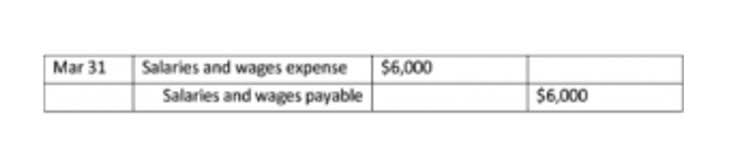
Accrued interest is an accounting concept based on the revenue recognition principle and matching concept in accounting. A concise guide to Accrued Interest, explaining how interest is recognized before payment and its importance in accounting and finance. The investor may also insist on a valuation cap (max-min), protect the investor in the event of a sudden increase in the investee company’s valuation. The loan would still convert to equity at the trigger event (i.e. the qualifying round or the specific date) but at a different price based on the valuation cap. So, the buyer will give you $15 in accrued interest to cover the time you owned the bond, and the buyer will receive the full $30 at the next payment.
Ashley Kilroy is an experienced financial writer who writes for solo entrepreneurs as well as for Fortune 500 companies. When Ashley isn’t helping people understand their finances, you may find her cage-diving with great whites or on safari in South Africa. Let’s say you carry a balance of $1,000 from one month to the next and your APR is 18.99%. Card images shown are illustrative and may vary from the card you receive. Accrued interest is a key factor in financial markets, influencing valuations, trading strategies, and overall market dynamics. While convertible notes have an agreed maturity date, when the loan is technically due, most investors will agree to extend the date if a qualified financing has not yet occurred.

It reveals the actual scene by factoring in these compoundings, which can make a noticeable difference to your bottom line over time. They don’t just grow; they grow on growth, like a financial Matryoshka accrued interest definition doll. To calculate accrued interest, you need to know the principal, the interest rate, and the period over which the interest accrued.
Keeping these categories separate is necessary for accurate financial reporting and helps prevent misclassification of debts and assets. In the event of a dispute, these calculations are typically supported by original loan documents and records of the payment history. Documentation is also important for satisfying transparency requirements found in consumer protection regulations or reporting laws. For most consumer loans, the Truth in Lending Act and Regulation Z require lenders to disclose finance charges and payment schedules.

By acknowledging this liability, a borrower recognizes the binding nature of the accumulated interest before the formal billing cycle concludes. If the account’s principal balance did not fluctuate during the month, such as with a typical mortgage, the average daily balance is simply equal to the starting balance. Accrued interest income is generally taxable, even if not yet received, and accrued interest expense is typically tax-deductible, even if not yet paid.
Recent years have seen updates in accounting standards and tax laws affecting the treatment of accrued interest. For instance, changes in IFRS or GAAP may introduce new requirements for recording accrued interest in financial statements. Similarly, tax authorities may revise guidelines on reporting accrued interest income or deductions, impacting individuals and businesses alike. Accurate tax reporting of accrued interest requires meticulous record-keeping.
So, regardless of when they jumped into the investment, both John and Sarah’s interest started accruing right away, adding a little bit to their potential earnings each day. Their examples highlight how buying dates and periods matter when calculating accrued interest, ensuring they get their fair share Balancing off Accounts of the earnings during the specific time they held the bond. If a loan is truly interest-free, there’s no interest expense or revenue to record, so no accrued interest entries are necessary.
When it comes to credit cards, interest is the same as the annual percentage rate (APR). But one way to reduce the amount of interest you’re charged is by paying off your balance on time every month. Accrued interest refers to interest generated on an outstanding debt during a period of time, but the payment has not yet been made or received by the borrower or lender.


Copyrights © 2020 FinanceAwards.org. All Rights Reserved.
Recent Comments